Embark on a journey to discover essential tips for achieving long-lasting results with a residential painting company. From surface preparation to application techniques, this guide covers everything you need to know for a successful paint job.
Importance of Proper Surface Preparation
Proper surface preparation is a crucial step in achieving long-lasting paint results for residential properties. Without this essential process, the paint may not adhere properly to the surface, leading to peeling, cracking, or premature wear and tear.
Steps Involved in Preparing a Residential Surface for Painting
- Start by cleaning the surface thoroughly to remove any dirt, grime, or grease that could prevent the paint from adhering properly.
- Repair any cracks, holes, or imperfections in the surface using spackling compound or caulk.
- Sand the surface to create a smooth and even texture, allowing the paint to go on more evenly.
- Prime the surface to seal it and provide a good base for the paint to adhere to.
Common Mistakes People Make When Skipping Surface Preparation
- Rushing the painting process without properly cleaning or repairing the surface can result in poor adhesion and a shorter lifespan for the paint job.
- Skipping the priming step can lead to uneven coverage and a lack of durability for the paint finish.
- Ignoring cracks or imperfections in the surface can cause the paint to peel or chip prematurely, requiring costly touch-ups or repaints.
Selection of High-Quality Paint Products
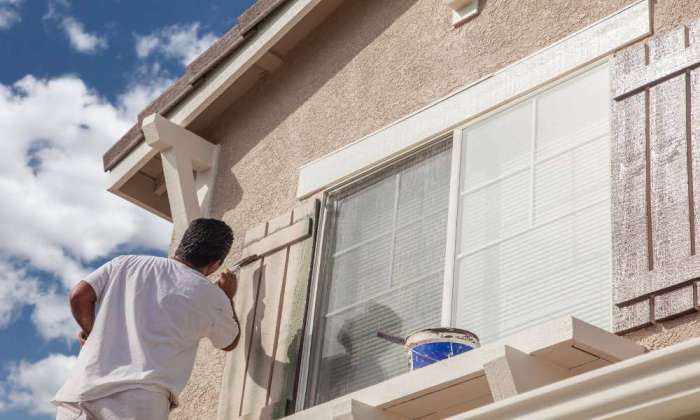
When it comes to residential painting projects, the choice of paint products plays a crucial role in achieving long-lasting results. Using high-quality paints not only enhances the overall appearance of the painted surfaces but also ensures durability and protection against wear and tear.
Benefits of High-Quality Paint
- High-quality paints offer better coverage and color consistency, resulting in a more professional finish.
- These paints are formulated with superior ingredients that provide enhanced durability, making them less prone to chipping, peeling, or fading.
- They are also easier to clean and maintain, allowing the painted surfaces to retain their fresh look for an extended period.
Choosing the Right Paint for Different Surfaces
- For interior walls, opt for premium acrylic latex paints that are washable and resistant to stains.
- Exterior surfaces require paints that can withstand harsh weather conditions, such as acrylic or elastomeric paints.
- Wood surfaces benefit from high-quality oil-based paints or stains that penetrate and protect the wood fibers.
- For metal surfaces, choose rust-inhibiting paints that provide corrosion resistance and long-term protection.
Application Techniques for Even Coverage
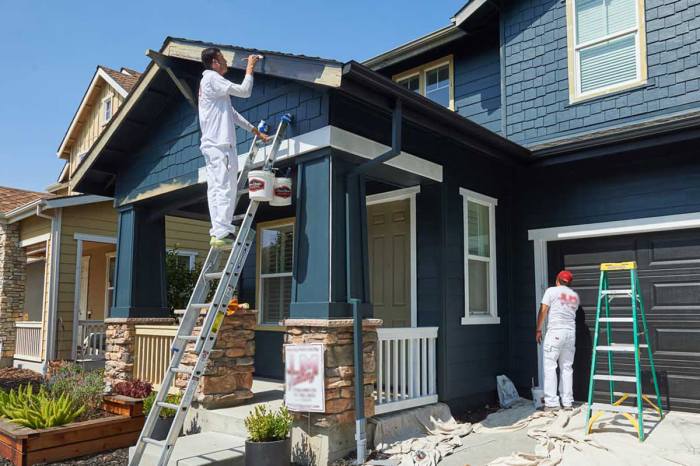
Proper paint application techniques are crucial for achieving a professional finish that will last. By following the best practices for painting walls, ceilings, trims, and other residential surfaces, you can ensure a smooth and even coat of paint.
Best Practices for Painting
- Start by preparing the surface properly, as discussed earlier, to ensure the paint adheres well.
- Use high-quality paint brushes and rollers to apply the paint smoothly and evenly.
- Work in small sections to avoid drying lines and overlap each stroke slightly to blend the paint.
- Apply paint in the same direction for each coat to maintain consistency.
- Take breaks to avoid fatigue, which can lead to uneven application.
Avoiding Streaks, Drips, and Uneven Coverage
- Avoid overloading the brush or roller with paint to prevent drips and streaks.
- Use a paint grid or tray to remove excess paint and ensure even coverage on the roller.
- Check for drips and smooth them out immediately to prevent them from drying and creating imperfections.
- Use a light touch and apply thin, even coats to prevent buildup and drips.
- Inspect your work as you go to catch any imperfections early and make necessary corrections.
Maintenance and Care for Painted Surfaces
Regular maintenance is crucial for extending the lifespan of painted surfaces in your home. By implementing proper care techniques, you can prevent damage and maintain the aesthetic appeal of your walls, trims, and other painted areas.
Cleaning and Maintenance Tips
- Regularly dust painted surfaces using a soft cloth or duster to prevent the buildup of dirt and grime.
- For painted walls, use a mild detergent solution and a soft sponge to gently clean away any stains or marks. Avoid abrasive cleaners that can damage the paint.
- Inspect painted surfaces for any signs of peeling or cracking, and address these issues promptly by sanding, priming, and repainting the affected areas.
- For painted trims and moldings, use a damp cloth to wipe away dust and dirt, and consider applying a fresh coat of paint to maintain a crisp, clean look.
Common Issues and Solutions
- Peeling:To prevent peeling, ensure that the surface is properly cleaned and primed before painting. Use high-quality paint products and avoid moisture-prone areas.
- Fading:Protect painted surfaces from direct sunlight by using curtains or blinds. Consider repainting with UV-resistant paint to prevent fading.
- Staining:Address stains promptly by spot cleaning with a mild detergent solution. For stubborn stains, consult a professional painter for advice on removal techniques.
Concluding Remarks
In conclusion, by following these residential painting company tips, you can ensure your painted surfaces look fresh and vibrant for years to come. Take the necessary steps to maintain and care for your paint job, and enjoy the lasting beauty it brings to your home.
FAQ Overview
Why is proper surface preparation important?
Proper surface preparation ensures better adhesion of paint, leading to long-lasting results and preventing issues like peeling or bubbling.
How do I choose the right type of paint for different surfaces?
Consider factors like surface texture, location (interior or exterior), and desired finish (matte, satin, gloss) when selecting paint for various surfaces in your home.
What are some common mistakes to avoid during paint application?
Avoid rushing the process, not using the right tools, and skipping primer, as these can lead to streaks, drips, and uneven coverage.
How can I address issues like peeling or fading on painted surfaces?
Proper maintenance practices such as regular cleaning, touch-ups, and addressing issues promptly can help prolong the life of painted surfaces and maintain their appearance.